
Quick answer: Polymer water treatment uses water-soluble polymers to control scale, disperse deposits or flocculate suspended solids. Low-molecular-weight anionic polymers (PAA, HPMA, AA/AMPS) prevent scale; high-molecular-weight polymers (polyacrylamide, polyelectrolyte) clarify water and dewater sludge.
Two families of water treatment polymers
1. Low molecular weight – scale inhibitors & dispersants
Polymers of 1,000–20,000 Da such as polyacrylic acid, polymaleic acid, MA/AA, AA/AMPS and terpolymers adsorb onto crystals and particles, distorting scale and keeping solids dispersed in cooling, boiler and RO systems.
2. High molecular weight – flocculants
Polymers of millions of Daltons such as polyacrylamide bridge particles into flocs for clarification and sludge dewatering.
Anionic, cationic, non-ionic and natural polymers
- Anionic – negatively charged; scale inhibitors and mineral flocculants.
- Cationic – positively charged; organic sludge dewatering.
- Non-ionic – uncharged; acidic or high-salt conditions.
- Biopolymers / natural polymers – starches, chitosan, guar – used in niche applications.
ZEELCHEM® manufactures the full range of anionic water treatment polymers in Vadodara and supplies flocculants for every ETP/STP need.
Products in this guide
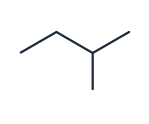
Polyacrylic Acid
Polyacrylic Acid (PAA), ZEELCHEM™ 1000, is a low-molecular-weight anionic homopolymer of acrylic acid. It works as a…
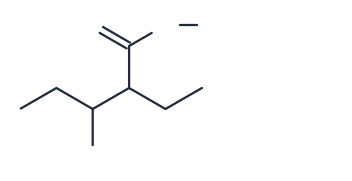
Co-Polymer of AA/AMPS
AA/AMPS Copolymer, ZEELCHEM™ 3100, is a sulfonated acrylic copolymer that stabilises calcium phosphate, zinc and iron and…
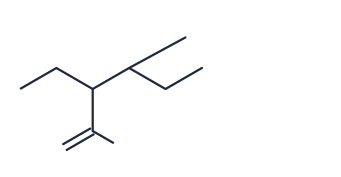
Polyelectrolyte
Polyelectrolyte is a high-molecular-weight water-soluble polymer flocculant that binds fine suspended particles into large…
Related articles
Polyacrylic Acid vs Sodium Polyacrylate: Differences & Uses
Difference between polyacrylic acid (PAA) and sodium polyacrylate (PAAS) – pH, handling, water treatment and dispersant applications.
AA/AMPS Copolymer Uses: Phosphate, Zinc & Iron Stabilisation
Why AA/AMPS sulfonated copolymer is used in cooling water and RO antiscalants – calcium phosphate, zinc and iron control, and dosage.
Water Treatment Chemicals Price in India: What Affects the Cost?
What drives the price of water treatment chemicals in India – active content, raw materials, packing, quantity, freight and GST – and how to compare quotes fairly.