
Quick answer: AA/AMPS copolymer is a sulfonated polymer that keeps calcium phosphate, zinc and iron in solution and disperses silt. It is essential in phosphate- and zinc-based cooling programmes and in high-performance RO antiscalants, typically at 5–20 mg/L.
Why sulfonate matters
The sulfonic acid group from AMPS stays ionised and is not precipitated by calcium, so the polymer keeps working in very hard water where plain polyacrylates fail.
Uses
- Phosphate / zinc cooling programmes
- RO antiscalant formulations
- Iron and manganese dispersion
Need silica control too? Consider terpolymer (ZEELCHEM™ 7000). Compare polymers in what is polymer water treatment.
Frequently asked questions
What is AA/AMPS copolymer used for?
To stabilise calcium phosphate, zinc and iron and to disperse particles in cooling water and RO systems.
What is the dosage of AA/AMPS?
Typically 5–20 mg/L in cooling water, depending on phosphate and zinc levels.
Products in this guide
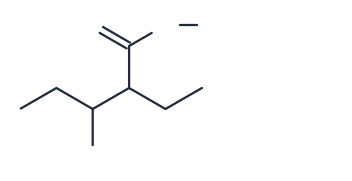
Co-Polymer of AA/AMPS
AA/AMPS Copolymer, ZEELCHEM™ 3100, is a sulfonated acrylic copolymer that stabilises calcium phosphate, zinc and iron and…
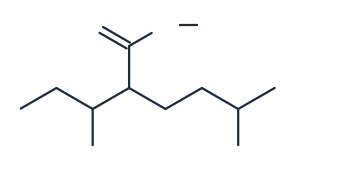
Terpolymer
Terpolymer, ZEELCHEM™ 7000, is a three-monomer polymer (carboxylic acid, sulfonic acid and a non-ionic ester) that inhibits…
Related articles
What is polymer water treatment?
How water treatment polymers – scale inhibitors, dispersants and flocculants – work, and the difference between anionic, cationic and non-ionic polymers.
RO Antiscalant: What It Is, Dosage Calculation & How to Choose
What an RO antiscalant does, how to calculate antiscalant dosage for reverse osmosis plants, and how to choose the right one for high TDS, silica or sulfate scaling.
Polyacrylic Acid vs Sodium Polyacrylate: Differences & Uses
Difference between polyacrylic acid (PAA) and sodium polyacrylate (PAAS) – pH, handling, water treatment and dispersant applications.