
Quick answer: A pool needs a chlorine disinfectant (TCCA 90 or SDIC 60), an algaecide such as copper sulphate, pH adjusters, and a clarifier. Keep free chlorine at 1–3 ppm and pH at 7.2–7.6.
Ideal pool water parameters
| Parameter | Target |
|---|---|
| Free chlorine | 1–3 ppm |
| pH | 7.2–7.6 |
| Total alkalinity | 80–120 ppm |
| Cyanuric acid | 30–80 ppm |
| Calcium hardness | 200–400 ppm |
Weekly routine
- Test chlorine and pH daily.
- Dose chlorine daily; shock weekly.
- Add algaecide weekly in hot weather – see copper sulphate dosage.
- Backwash the filter when pressure rises.
Choosing chlorine? Read TCCA 90 vs SDIC 60.
Frequently asked questions
Which chemicals are needed for a swimming pool?
Chlorine (TCCA or SDIC), an algaecide, pH increaser/decreaser, alkalinity adjuster and a clarifier.
What is the ideal pH of pool water?
7.2 to 7.6 – comfortable for swimmers and efficient for chlorine.
Products in this guide
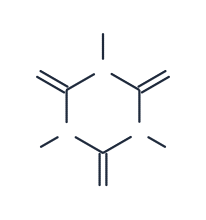
TCCA 90 Granular
TCCA 90 Granular is Trichloroisocyanuric Acid with ≥90% available chlorine. It is a stabilised, slow-dissolving chlorine…
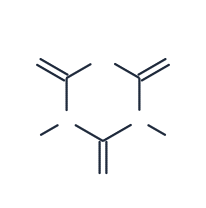
SDIC 60 Granular
SDIC 60 Granular is Sodium Dichloroisocyanurate with about 60% available chlorine. It dissolves quickly and has a…

Copper Sulphate
Copper Sulphate Pentahydrate (CuSO₄·5H₂O) is a blue crystalline salt used as an algaecide in swimming pools, reservoirs,…
Related articles
TCCA 90 vs SDIC 60: Which Chlorine Is Best for Swimming Pools?
Compare TCCA 90 and SDIC 60 chlorine granules for swimming pools – available chlorine, dissolving speed, pH effect, stabiliser and dosage.
Copper Sulphate for Algae Control: Dosage Guide for Pools, Ponds & Cooling Towers
How to use copper sulphate as an algaecide in swimming pools, ponds, reservoirs and cooling towers – dosage, precautions and alternatives.
Oxidizing vs Non-Oxidizing Biocides for Cooling Towers
Difference between oxidizing and non-oxidizing biocides, when to use each, how to alternate them, and typical doses for cooling tower microbial control.