
Quick answer: Oxidizing biocides (chlorine, bromine, TCCA) kill microbes fast and cheaply but are consumed quickly. Non-oxidizing biocides (CIT/MIT, glutaraldehyde) penetrate biofilm and last longer. Best practice is a continuous oxidizer plus a weekly non-oxidizing slug dose.
Comparison
| Feature | Oxidizing | Non-oxidizing |
|---|---|---|
| Speed | Very fast | Fast to moderate |
| Biofilm penetration | Limited | Good |
| Cost per dose | Low | Higher |
| Effect of pH | Chlorine weak above pH 8 | Mostly pH-independent |
| Dosing | Continuous / daily | Slug, 1–2× per week |
Why alternate?
Using two biocides with different modes of action prevents resistant populations and gives better biofilm and Legionella control. Read the isothiazolinone biocide guide and the glutaraldehyde guide.
Frequently asked questions
Which biocide is best for cooling towers?
A combination: a continuous oxidizing biocide plus a periodic non-oxidizing biocide such as CIT/MIT or glutaraldehyde.
How often should a non-oxidizing biocide be dosed?
Typically one or two slug doses per week, adjusted to bacteria counts.
Products in this guide
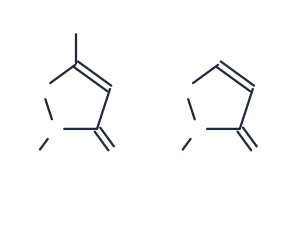
CIT/MIT 14%
CIT/MIT 14% is a concentrated blend of 5-chloro-2-methyl-4-isothiazolin-3-one (CMIT) and 2-methyl-4-isothiazolin-3-one (MIT)…
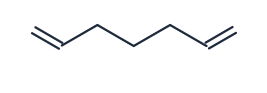
Glutaraldehyde 50%
Glutaraldehyde 50% is a fast-acting, broad-spectrum non-oxidizing biocide (a dialdehyde) that kills bacteria,…
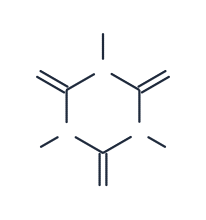
TCCA 90 Granular
TCCA 90 Granular is Trichloroisocyanuric Acid with ≥90% available chlorine. It is a stabilised, slow-dissolving chlorine…
Related articles
Glutaraldehyde 50% as a Biocide: Uses in Water Treatment
How glutaraldehyde 50% works as a biocide, uses in cooling towers, oilfield water and paper mills, dosage and safety.
Isothiazolinone (CMIT/MIT) Biocide: Uses, Dosage & Safety
CMIT/MIT isothiazolinone biocide explained – 14% vs 1.4% grades, uses in cooling towers, paints and detergents, dosage and handling safety.
Cooling Tower Water Treatment Chemicals: Complete List & Uses
Complete list of cooling tower water treatment chemicals – scale inhibitors, corrosion inhibitors, dispersants, biocides, bio-dispersants and pH control – with typical uses.