
Quick answer: Choose PBTC for high-pH, chlorinated cooling water; HEDP for general scale and corrosion control; ATMP for low-cost scale control below 200 °C; DTPMP for barium and strontium sulfate; and PAPEMP for very high calcium.
Phosphonate comparison table
| Property | HEDP | ATMP | PBTC | DTPMP | PAPEMP |
|---|---|---|---|---|---|
| CaCO₃ inhibition | Very good | Very good | Excellent | Good | Excellent |
| Sulfate scale | Fair | Fair | Fair | Excellent | Good |
| Chlorine stability | Moderate | Low | High | Moderate | Good |
| Calcium tolerance | Moderate | Moderate | High | Moderate | Very high |
| Phosphorus content | High | High | Low | High | Medium |
| Best for | General cooling, textile | Cost-effective cooling, RO | Alkaline, chlorinated towers | Oilfield, RO sulfate | Zero-discharge towers |
Combining with polymers
Phosphonates work best with a dispersant polymer such as polyacrylic acid or AA/AMPS copolymer. Read how scale inhibitors work for the chemistry.
Frequently asked questions
Which is better, HEDP or ATMP?
ATMP is more economical for scale control below 200 °C; HEDP is more hydrolytically stable and better for corrosion control with zinc.
Why is PBTC preferred in cooling towers?
PBTC tolerates high pH, high hardness and oxidizing biocides better than other phosphonates and has low phosphorus content.
Which phosphonate controls barium sulfate?
DTPMP is the most effective common phosphonate for barium and strontium sulfate scale.
Products in this guide
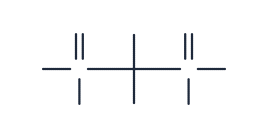
HEDP 60
HEDP 60, ZEELCHEM™ 101, is 1-Hydroxyethylidene-1,1-Diphosphonic Acid – an organophosphonate scale and corrosion inhibitor…
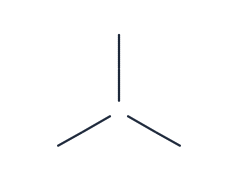
ATMP 50
ATMP 50, ZEELCHEM™ 111, is Amino Tris(Methylene Phosphonic Acid) – a cost-effective phosphonate with excellent threshold…
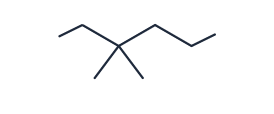
PBTC 50
PBTC 50, ZEELCHEM™ 121, is 2-Phosphonobutane-1,2,4-Tricarboxylic Acid – a low-phosphorus phosphonate with superior calcium…
Related articles
HEDP Uses in Water Treatment: Dosage, Benefits & Applications
HEDP (1-hydroxyethylidene-1,1-diphosphonic acid) uses in cooling water, boilers, textiles and detergents – dosage, benefits and how it compares with ATMP and PBTC.
RO Antiscalant: What It Is, Dosage Calculation & How to Choose
What an RO antiscalant does, how to calculate antiscalant dosage for reverse osmosis plants, and how to choose the right one for high TDS, silica or sulfate scaling.
Cooling Tower Water Treatment Chemicals: Complete List & Uses
Complete list of cooling tower water treatment chemicals – scale inhibitors, corrosion inhibitors, dispersants, biocides, bio-dispersants and pH control – with typical uses.