
- What is ZEELCHEM™ 1000?
- ZEELCHEM™ 1000 is a low-molecular-weight homopolymer of acrylic acid (PAA) supplied as a 48 % aqueous solution.
- What is Polyacrylic Acid used for?
- Main uses: open recirculating cooling towers, low-pressure boilers and steam generators, oilfield water injection and produced water, detergent and cleaning formulations.
- What is the typical dosage of Polyacrylic Acid?
- 1–15 mg/L (ppm) as product in cooling water; the final dose depends on water analysis. Use the dosing calculator on this page.
- What packaging is available?
- 60.0 kg net HDPE carboy.
- What is the price?
- Indicative price ₹ 120 per kg (ex-works Vadodara, GST extra), valid until 31-12-2026. Final price depends on quantity and delivery location; call +91-9724593964 for a firm quote.
- Do you deliver to my city?
- Yes. Polyacrylic Acid is supplied Pan-India by road from Vadodara, Gujarat, to all states including Maharashtra, Tamil Nadu, Telangana, Delhi NCR, West Bengal and Madhya Pradesh.
- Who manufactures it?
- ZEEL PRODUCT, Vadodara, Gujarat, India — ISO 9001:2015, ISO 22000:2018 and ISO 14001:2015 certified. TDS, SDS and COA supplied.
Product overview
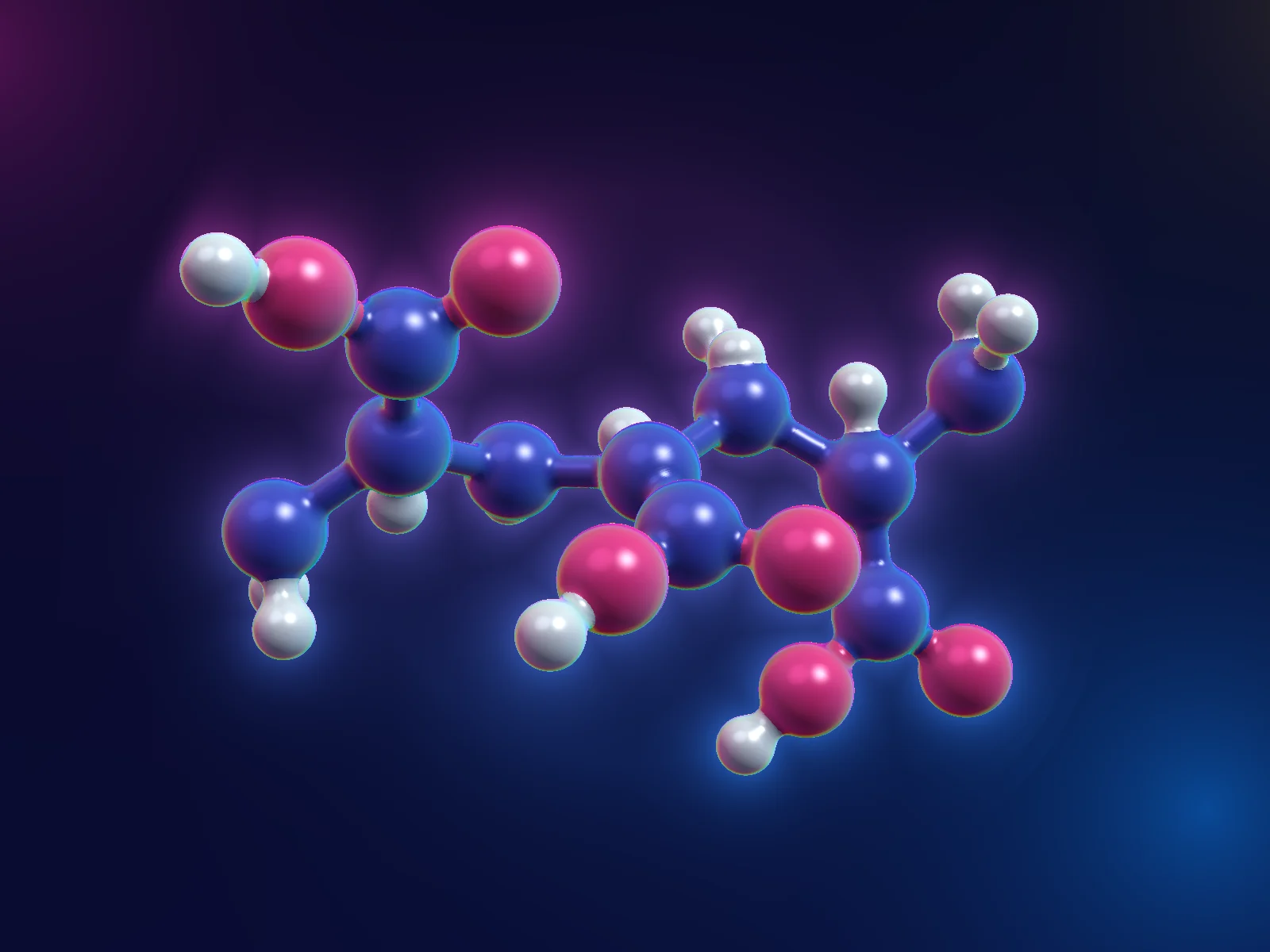
ZEELCHEM™ 1000 is a low-molecular-weight homopolymer of acrylic acid (PAA) supplied as a 48 % aqueous solution. It is a non-toxic, phosphorus-free scale inhibitor and dispersant that controls calcium carbonate and calcium sulphate scale through threshold inhibition and crystal-lattice distortion, and keeps suspended solids, silt, clay and iron oxide dispersed in recirculating water.
In open recirculating cooling water systems, ZEELCHEM™ 1000 is normally combined with phosphonates such as HEDP (ZEELCHEM™ 101) or ATMP (ZEELCHEM™ 111) and with zinc salts in alkaline treatment programmes, where the polymer improves threshold inhibition and prevents deposition of phosphonate–calcium and zinc hydroxide precipitates.
Because of its narrow molecular-weight distribution and high carboxyl density, the polymer adsorbs strongly on growing crystal faces and on particle surfaces. This gives excellent dispersion of calcium carbonate, kaolin and pigment slurries, which is why PAA is also widely used in detergent, textile, paper and ceramic processing.
Key features & benefits
- Excellent threshold inhibition of CaCO₃ and CaSO₄ scale
- Strong dispersion of silt, clay, iron oxide and suspended solids
- Phosphorus-free, non-toxic and readily formulated
- Synergistic with HEDP, ATMP, PBTC and zinc salts
- Stable under alkaline conditions and at elevated temperature
- Low free-monomer content for safe handling
Applications
- Open recirculating cooling towers
- Low-pressure boilers and steam generators
- Oilfield water injection and produced water
- Detergent and cleaning formulations
- Textile pre-treatment and dyeing
- Paper coating and pigment dispersion
- Ceramic and mineral slurry dispersion
- Industrial process water
Technical specifications
| Appearance | Colourless to light-amber transparent viscous liquid |
|---|---|
| Solid content | ≥ 48.0 % |
| Free monomer (as CH₂=CHCOOH) | ≤ 0.50 % |
| pH (1 % aqueous solution) | 2.0 – 3.0 |
| Density at 20 °C | ≥ 1.20 g/cm³ |
| Average molecular weight | 1,800 – 5,000 (low MW) |
| Solubility | Completely miscible with water |
Values are typical specifications. Each consignment is supplied with a batch Certificate of Analysis. Custom specifications are available on request.
Dosage & method of use
Typical dosage as a scale inhibitor in cooling water is 1 – 15 mg/L, depending on make-up water chemistry, cycles of concentration and the companion inhibitors used. As a dispersant in slurry and detergent applications, 0.2 – 2.0 % on the weight of solids is typical. Final dosage should be set from a water analysis and confirmed by our technical team.
Dosing calculator
Estimates only. Evaporation is calculated as E = 0.00153 × R × ΔT (°C); blowdown B = E ÷ (COC − 1); product feed for cooling towers = B × dose. The right dose depends on your water analysis, metallurgy and operating conditions. Our technical team will confirm it free of charge.
Packaging
60.0 kg net HDPE carboy. Each carboy is labelled with product name, batch number, net weight and GHS hazard information.
Storage & shelf life
Store in closed HDPE containers in a cool, shaded, ventilated area between 5 °C and 40 °C. Avoid freezing and direct sunlight; mix gently before use if slight stratification is seen. Shelf life: 12 months in unopened packing.
Handling & safety
Mildly acidic polymer solution. Use goggles and gloves; avoid contact with eyes and prolonged skin contact. Rinse spills with water. Refer to the ZEELCHEM™ SDS (GHS format) before handling.
Frequently asked questions
What is ZEELCHEM™ 1000 polyacrylic acid used for?
It is used as a scale inhibitor and dispersant in cooling water, boiler and oilfield water treatment, and as a dispersant in detergents, textiles, paper coating and mineral slurries.
What is the solid content of ZEELCHEM™ 1000 PAA?
The standard grade is supplied at a minimum 48.0 % solid content with free monomer below 0.50 %.
Can polyacrylic acid be used with HEDP or ATMP?
Yes. PAA is commonly blended with HEDP, ATMP or PBTC and zinc salts; the polymer improves overall scale control and keeps calcium-phosphonate precipitates dispersed.
What is the typical dosage of Polyacrylic Acid?
1–15 mg/L (ppm) as product in cooling water; the final dose depends on water analysis. Use the dosing calculator on this page.
What packaging is available?
60.0 kg net HDPE carboy.
What is the price?
Indicative price ₹ 120 per kg (ex-works Vadodara, GST extra), valid until 31-12-2026. Final price depends on quantity and delivery location; call +91-9724593964 for a firm quote.
Do you deliver to my city?
Yes. Polyacrylic Acid is supplied Pan-India by road from Vadodara, Gujarat, to all states including Maharashtra, Tamil Nadu, Telangana, Delhi NCR, West Bengal and Madhya Pradesh.
Who manufactures it?
ZEEL PRODUCT, Vadodara, Gujarat, India — ISO 9001:2015, ISO 22000:2018 and ISO 14001:2015 certified. TDS, SDS and COA supplied.